

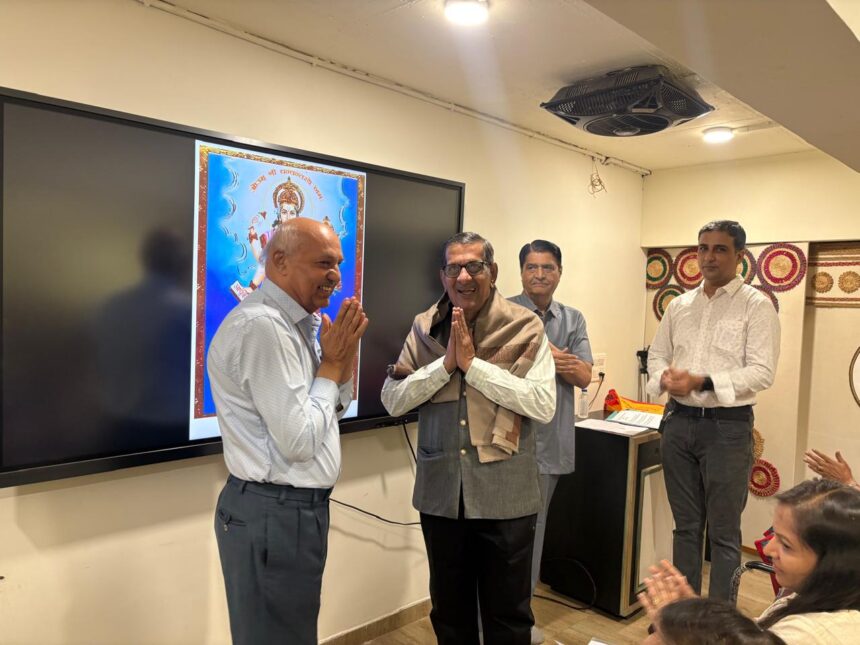
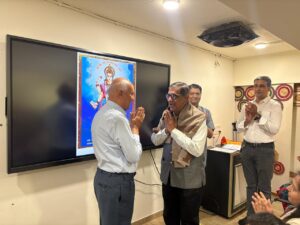
Ahmedabad: Ethical values, professional responsibility and patient welfare are essential for making Ayurvedic medical practice safe, effective and patient-centric. Highlighting these aspects, senior Ayurvedic physician from Mumbai, Vaidya Rajan Patankar, delivered an insightful lecture on “Ethical Practice in Ayurveda” at a Continuing Medical Education (CME) programme organized by the Academy of Ayurveda Development and Research (AADAR) in Ahmedabad.
During his lecture, Vaidya Rajan Patankar explained the principles, responsibilities and challenges involved in ethical Ayurvedic practice. He said that Ayurveda is not merely a system for treating diseases, but a holistic medical tradition focused on the health, well-being and safety of the patient.
He emphasized the principle of “Ahimsa – Do No Harm”, stating that an Ayurvedic physician must always give priority to the welfare and safety of the patient. Compassion, sensitivity, respect and responsible communication should form the foundation of the physician-patient relationship.

Vaidya Patankar also highlighted the importance of patient autonomy and informed consent. According to him, patients should be clearly informed about their condition, proposed treatment, possible benefits and risks before treatment is undertaken. Maintaining the confidentiality of patients and protecting their medical information are also important ethical responsibilities of a physician.
He cautioned practitioners against making false claims, exaggerated promises and claims of miraculous cures in the name of Ayurveda. He stressed that traditional Ayurvedic knowledge should be respected while treatment should also be guided by evidence, rational thinking and patient safety.
More Read

The lecture also covered the rational use of medicines, quality and safety of Ayurvedic drugs, professional competence and awareness of one’s limitations. He said that referring a patient to another medical specialist or system when required is also part of responsible medical practice.
Other important issues discussed included transparency in professional fees, responsible advertising and social media use, proper maintenance of medical records, research ethics, responsible use of patient data and ethical responsibilities related to teaching and publication.
Vaidya Rajan Patankar emphasized that the future of Ayurveda depends on maintaining a balance between traditional wisdom, ethical medical practice, scientific evidence, professional competence and human values. He also presented the key principles of ethical Ayurvedic practice and concluded with a call for greater responsibility and compassion among Ayurveda practitioners. The lecture was followed by an interactive question-and-answer session.